Swedish Licensing Rules and Their Role in Shaping Secure Payment Flows for Mobile Slot and Table Play
Finley Schmid · Aug 30, 2026
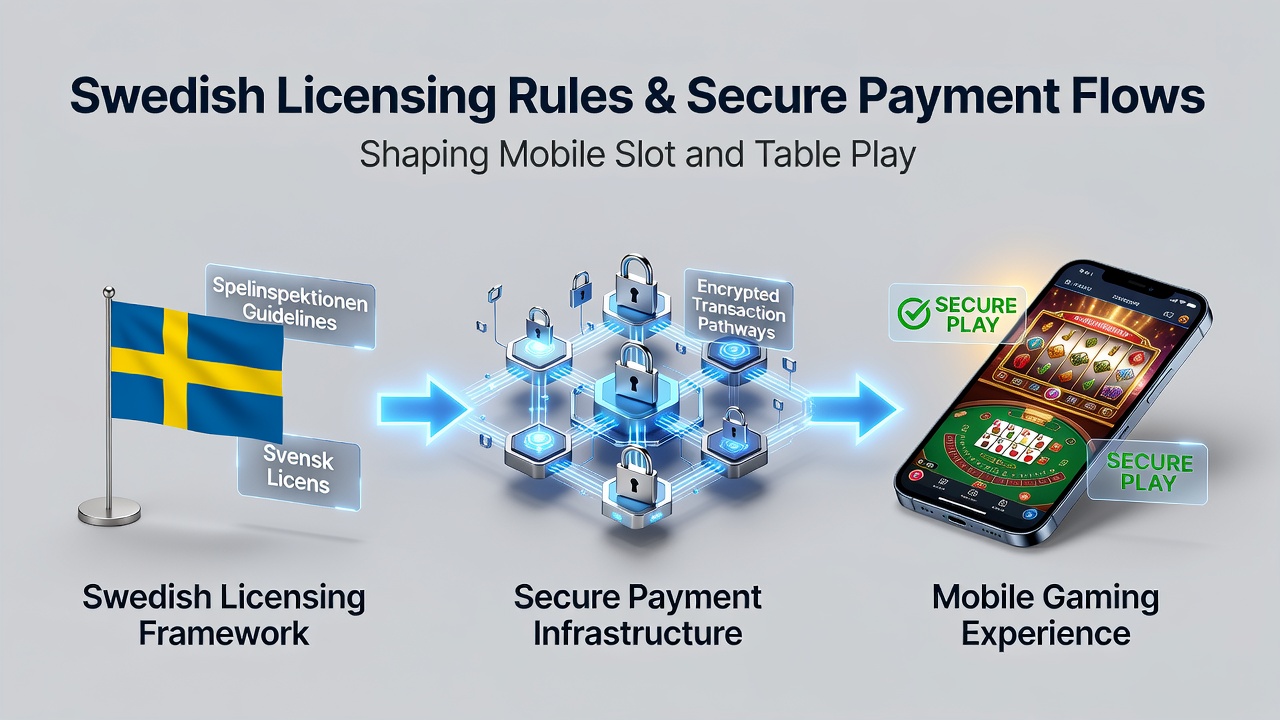
Swedish Licensing Rules and Their Role in Shaping Secure Payment Flows for Mobile Slot and Table Play
Sweden's gaming market operates under a licensing system administered by Spelinspektionen since the re-regulation took effect in 2019, and operators must meet detailed technical standards before they can offer mobile slot and table games to players within the country. These rules focus on transaction integrity, data encryption, and verification processes that apply equally to real-money play on smartphones and tablets, while data from 2026 shows continued compliance monitoring across licensed platforms.
Operators seeking a Swedish license submit extensive documentation that covers payment gateway partnerships, anti-money laundering protocols, and real-time monitoring systems designed to flag irregular activity during mobile sessions. The framework requires segregation of player funds from operational accounts, and this separation extends to every deposit and withdrawal processed through apps or mobile browsers.
Core Licensing Obligations for Payment Infrastructure
Every license holder must integrate payment methods that support two-factor authentication and maintain audit trails for all transactions, regardless of whether the activity involves slot spins or live table decisions. Spelinspektionen conducts regular inspections that examine how operators handle cross-border transfers and currency conversions on mobile devices, and figures reveal that approved systems must reject payments from unlicensed sources automatically.
Research indicates that licensed entities use certified random number generators alongside payment processing software to ensure outcomes remain independent of financial flows, creating a layered defense against manipulation. Those who have examined the regulations note that mobile-specific rules address latency issues in payment confirmation, requiring operators to display transaction status within seconds of each action.
Impact on Mobile Slot and Table Game Operations
Secure payment flows directly influence how players experience mobile slots, where quick deposits enable uninterrupted sessions, and withdrawals must complete within strict timeframes set by license conditions. Table games follow the same standards, yet they often involve higher per-transaction limits that trigger additional verification steps before funds move. Data shows that operators updated their mobile interfaces in early 2026 to incorporate biometric confirmation for larger transfers, aligning with Spelinspektionen guidance on user authentication.
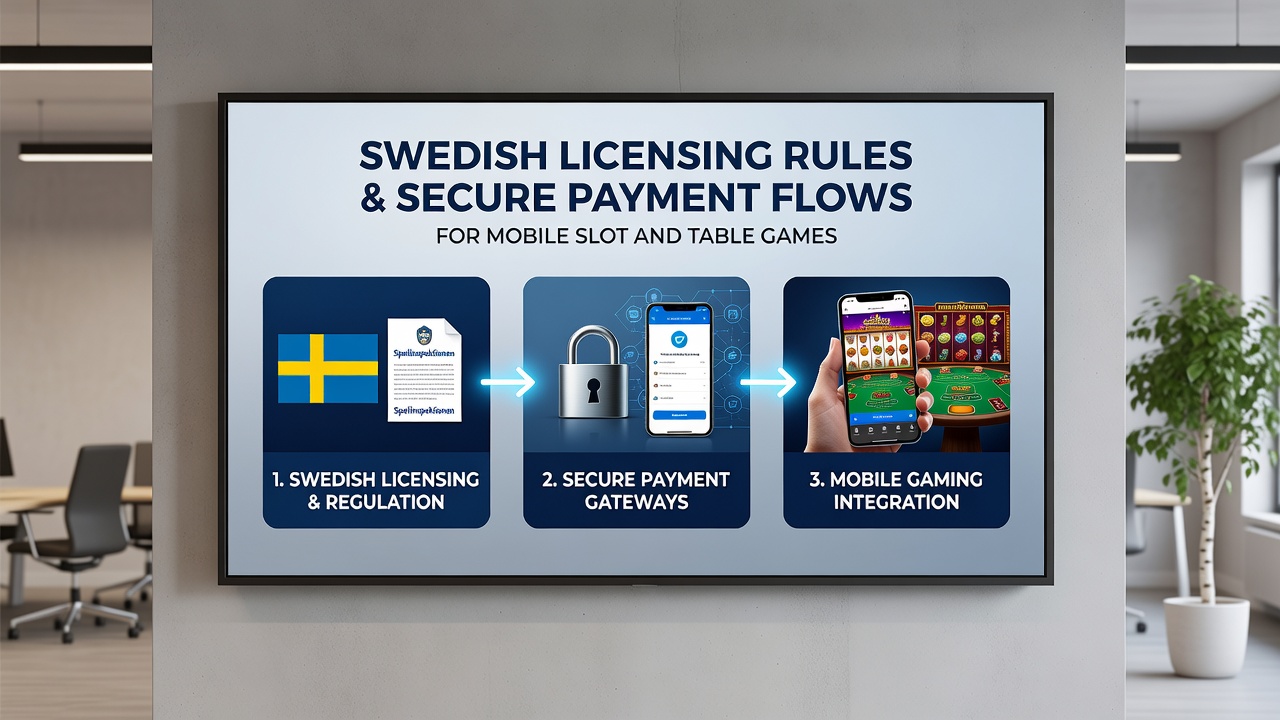
Payment service providers working with Swedish licensees must hold their own approvals and demonstrate compatibility with the national self-exclusion register, which blocks transactions for registered individuals across both slot and table categories. Observers note that this integration reduces friction for compliant users while maintaining barriers against problem gambling patterns detected through spending velocity.
Technical Standards and Compliance Monitoring
Spelinspektionen requires encryption protocols that meet or exceed current industry benchmarks for data in transit and at rest, and these apply to every API call between a mobile app and the payment processor. Annual audits verify that systems log every failed attempt and successful transfer, creating records available for regulatory review at any time. According to Spelinspektionen licensing documentation, operators must notify the authority within hours of detecting any payment anomaly that could indicate unauthorized access.
Additional rules govern how winnings from mobile table play convert back to player accounts, mandating that funds remain in the segregated wallet until withdrawal requests clear internal checks. Studies from international gaming research bodies, including work referenced by the Australian Gambling Research Centre, have examined similar licensing models and found that strict payment controls correlate with lower dispute rates in regulated markets.
Developments Observed Through August 2026
Through August 2026, licensed operators reported stable transaction volumes in mobile channels, with emphasis on instant payment options that still satisfy verification requirements. The regulator continues to update technical checklists as new payment technologies emerge, ensuring that digital wallets and bank transfers maintain the same security posture as traditional card methods. Those monitoring the sector observe that compliance costs remain a significant factor for smaller operators entering the Swedish market.
Conclusion
Swedish licensing rules establish a structured environment where payment security forms the foundation for all mobile slot and table activity, and ongoing enforcement keeps these standards aligned with technological change. The combination of fund segregation, authentication mandates, and real-time oversight creates measurable protections that extend across the entire player journey. Data collected through 2026 confirms that licensed platforms continue to process transactions under these constraints without interruption to service availability.