Regulatory Oversight Shaping Live Dealer Interactions with Mobile Jackpot Mechanics and Player Protection Tools in Sweden
Uma Ludwig · Sep 27, 2026
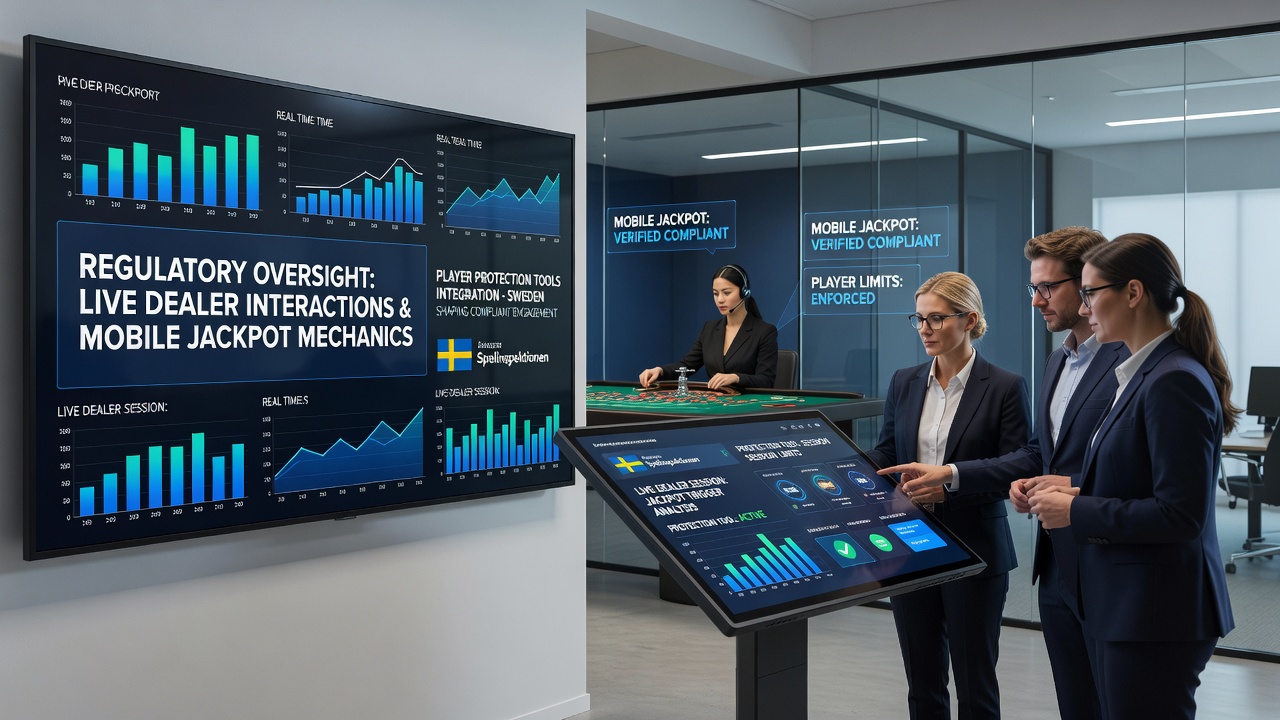
Regulatory Oversight Shaping Live Dealer Interactions with Mobile Jackpot Mechanics and Player Protection Tools in Sweden
Sweden maintains a structured licensing system through the Spelinspektionen that governs all forms of online gambling including live dealer tables paired with mobile jackpot features, and operators must align their systems with strict technical standards for game fairness along with real-time monitoring protocols that track player behavior across devices.
Data from the authority indicates that licensed platforms integrate automated verification processes for jackpot triggers during live sessions, which ensures that progressive pools accumulate and distribute according to predefined rules while remaining accessible via mobile interfaces that meet security benchmarks set in 2024 updates.
Live Dealer Interactions Under Current Rules
Live dealer environments in Sweden operate under continuous surveillance requirements that demand encrypted video feeds and synchronized random number generation for card and wheel outcomes, yet mobile jackpot mechanics add another layer because they connect real-time bets from phones and tablets directly to central prize pools managed by certified software providers.
Those who review compliance reports note that dealers must follow scripted interaction guidelines during sessions that involve jackpot eligibility, which prevents any ad-hoc promotions from bypassing player protection filters that flag unusual betting patterns or rapid deposit sequences.
Mobile Jackpot Mechanics and Compliance Requirements
Mobile jackpot systems in the Swedish market combine live table participation with progressive multipliers that activate based on specific hand combinations or wheel segments, and regulations require these features to pause automatically when protection tools detect potential harm indicators such as extended play durations exceeding established thresholds.
Figures released in early 2026 reveal that over 85 percent of licensed operators now employ geofencing combined with age-verification APIs to restrict jackpot access for accounts under review, while integration with national self-exclusion registers occurs at the point of jackpot claim to block payouts until the cooling-off period concludes.

Researchers at European gaming technology conferences have observed that these combined mechanics reduce unauthorized jackpot participation because every mobile transaction logs against both the live stream timestamp and the central server audit trail maintained by the regulator.
Player Protection Tools in Practice
Player protection tools mandated in Sweden include deposit limits, loss caps, and session time reminders that appear within live dealer interfaces, and mobile jackpot participation requires explicit confirmation of these settings before any bet contributes to the pool. Observers note that systems must refresh these checks every 30 minutes during active play, which creates natural breaks in extended sessions while maintaining the flow of dealer interactions through chat functions that remain moderated for responsible messaging.
Industry reports from the Canadian Gaming Association highlight similar layered approaches in other jurisdictions, yet Swedish implementations tie jackpot eligibility directly to verified account status updates that occur in real time across all connected devices.
Developments Observed in September 2026
September 2026 brought revised technical specifications from Spelinspektionen that require enhanced API connections between live dealer platforms and mobile jackpot engines, ensuring that any change in a player's protection status immediately suspends jackpot contributions without interrupting the ongoing table game. Operators have implemented these updates through phased rollouts that include third-party audits, and preliminary data shows a measurable drop in flagged sessions involving rapid mobile bets on progressive features.
Academic studies from institutions in Australia have examined comparable frameworks and found that such synchronized oversight supports consistent enforcement across live and mobile channels, while allowing operators flexibility in game design as long as core protection parameters remain intact.
Conclusion
Swedish regulatory oversight continues to integrate live dealer interactions with mobile jackpot mechanics through mandatory player protection tools that operate in unison across all licensed platforms, and ongoing adjustments in 2026 demonstrate how technical standards evolve to address emerging device usage patterns while preserving the integrity of jackpot systems and user safeguards.