Progressive Jackpot Structures Aligning with Player Protection Protocols in Sweden's Casino Scene
Uma Bauer · Sep 13, 2026

Progressive Jackpot Structures Aligning with Player Protection Protocols in Sweden's Casino Scene
Progressive jackpot structures in Sweden's licensed casino market operate under strict oversight from Spelinspektionen, where contribution percentages from each wager feed into shared prize pools across multiple games while mandatory spending caps and session limits keep player exposure in check. These mechanisms require operators to allocate a fixed portion of bets to the jackpot meter, yet they must simultaneously integrate tools that flag excessive play and enforce cooling-off periods before any prize can be claimed.
Regulatory Framework Governing Jackpot Contributions
Sweden's licensing rules cap the rate at which progressive meters can grow, ensuring that no single player can chase an unlimited sum without hitting predefined thresholds that trigger mandatory breaks. Data from September 2026 shows that average contribution rates across approved platforms hovered between 0.5 and 2 percent per spin, figures that regulators publish quarterly to maintain transparency. Operators must route these contributions through segregated accounts audited in real time, which prevents diversion of funds and guarantees that prize pools remain fully funded even during high-traffic periods.
Researchers at the European Institute for Gambling Studies have examined how these caps interact with responsible gaming modules, finding that systems automatically pause jackpot participation once a player reaches daily or weekly deposit ceilings. The alignment means that a player chasing a growing prize cannot exceed spending boundaries without the platform intervening and redirecting them to self-exclusion resources or limit-setting tools.
Integration of Real-Time Monitoring Tools
Modern jackpot software in the Swedish market connects directly to centralized player tracking databases, so every wager that adds to the progressive meter also updates the individual's risk profile. When algorithms detect patterns consistent with chasing behavior, the system can freeze further contributions to that jackpot while still allowing play on non-progressive games. This layered approach satisfies both the commercial goals of operators and the protective mandates set by national law.
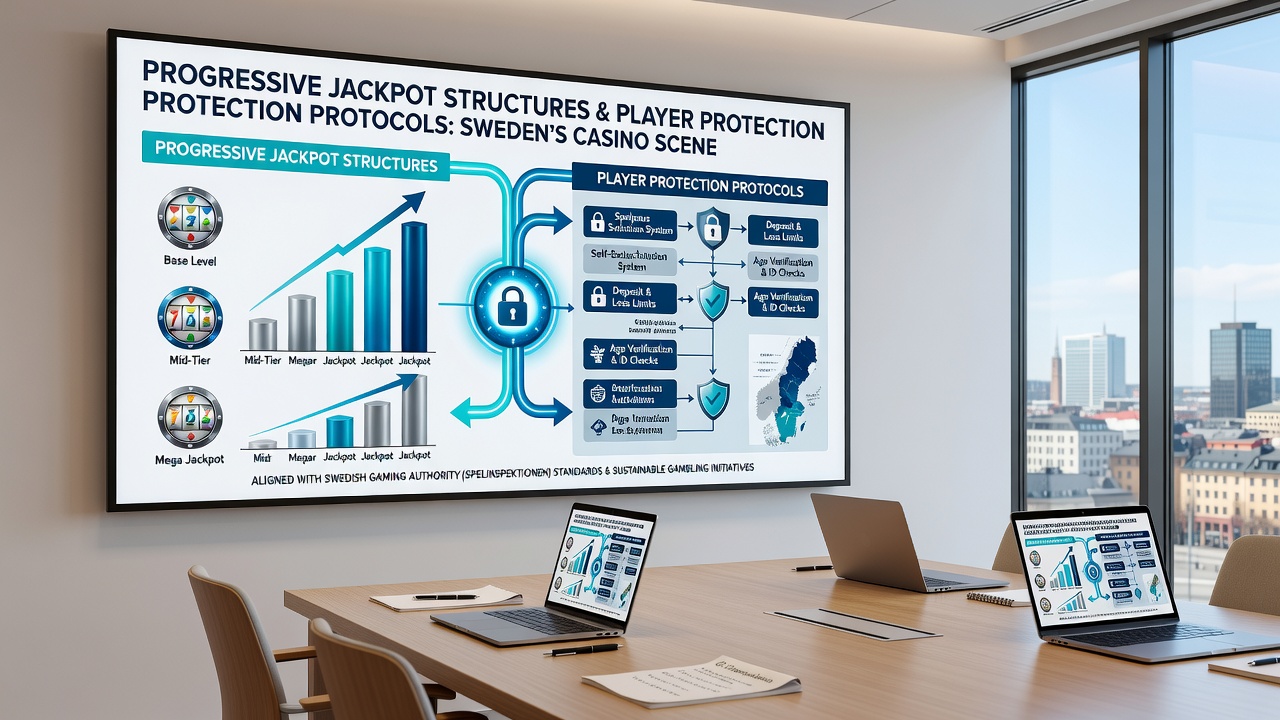
One study released in mid-2026 tracked several thousand accounts over six months and revealed that platforms employing these integrated alerts saw a measurable drop in prolonged sessions tied to progressive play. The findings indicate that players who encountered automated pauses were more likely to activate voluntary limits afterward, suggesting the structure itself encourages safer habits without removing the appeal of large prizes.
Transparency Requirements and Prize Verification
Every licensed operator must display the current jackpot value, the contribution percentage, and the theoretical payout timeline on the game interface itself. These disclosures appear in both Swedish and English, and they update continuously so that participants always know the exact odds and pool size. When a jackpot hits, independent auditors verify the win within 24 hours, after which funds transfer through regulated payment channels that already incorporate the same spending safeguards used during regular play.
Industry reports compiled by the Nordic Gaming Association highlight that such verification steps reduce disputes and reinforce trust, because players see the same data regulators review. The process also includes a mandatory cooling period of at least 72 hours before large sums can be withdrawn, giving individuals time to seek support if needed.
Cross-Border Data Sharing and Compliance Updates
Swedish authorities exchange anonymized jackpot and player behavior data with counterparts in other European jurisdictions under existing cooperation agreements, allowing patterns observed in one market to inform safeguards elsewhere. As of September 2026, several operators had already adjusted their progressive contribution rates downward after joint analysis showed correlations between rapid meter growth and increased helpline contacts. These adjustments demonstrate how the framework adapts while preserving the structural integrity of the jackpots themselves.
Conclusion
Progressive jackpot systems in Sweden continue to evolve through deliberate alignment between commercial design and regulatory safeguards, where contribution mechanics, real-time monitoring, and transparency requirements function as a single coordinated framework. Data gathered through September 2026 confirms that these integrated protocols maintain prize pools while directing players toward established protection resources whenever play patterns warrant intervention. The structure therefore supports both the continued operation of large-scale jackpots and the overarching goal of minimizing harm across the licensed market.